
 +84 777113211
 English
  Vietnamese
FRESH AND COOL AIR
The Key to Your Business’s Sustainable Growth

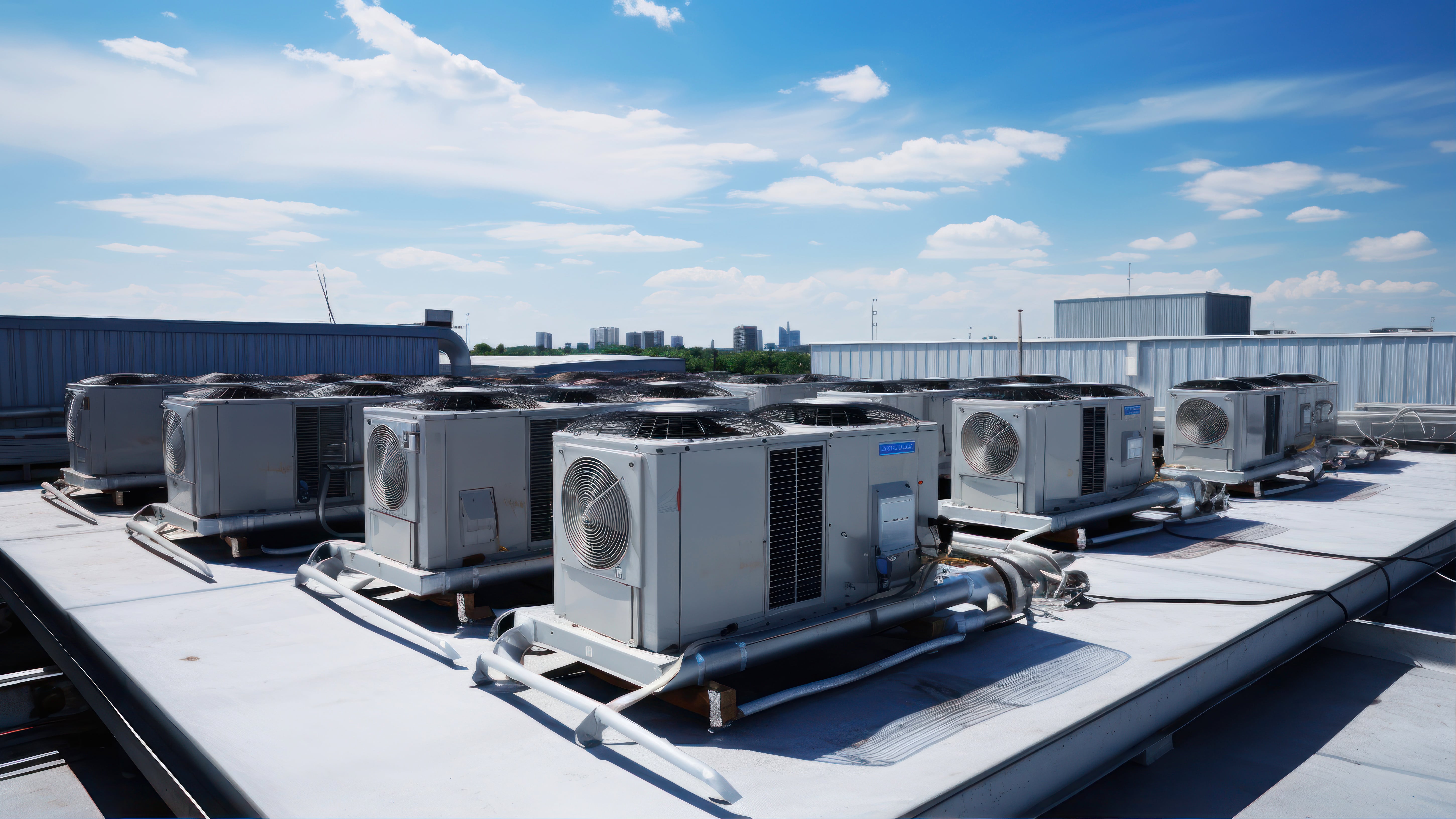

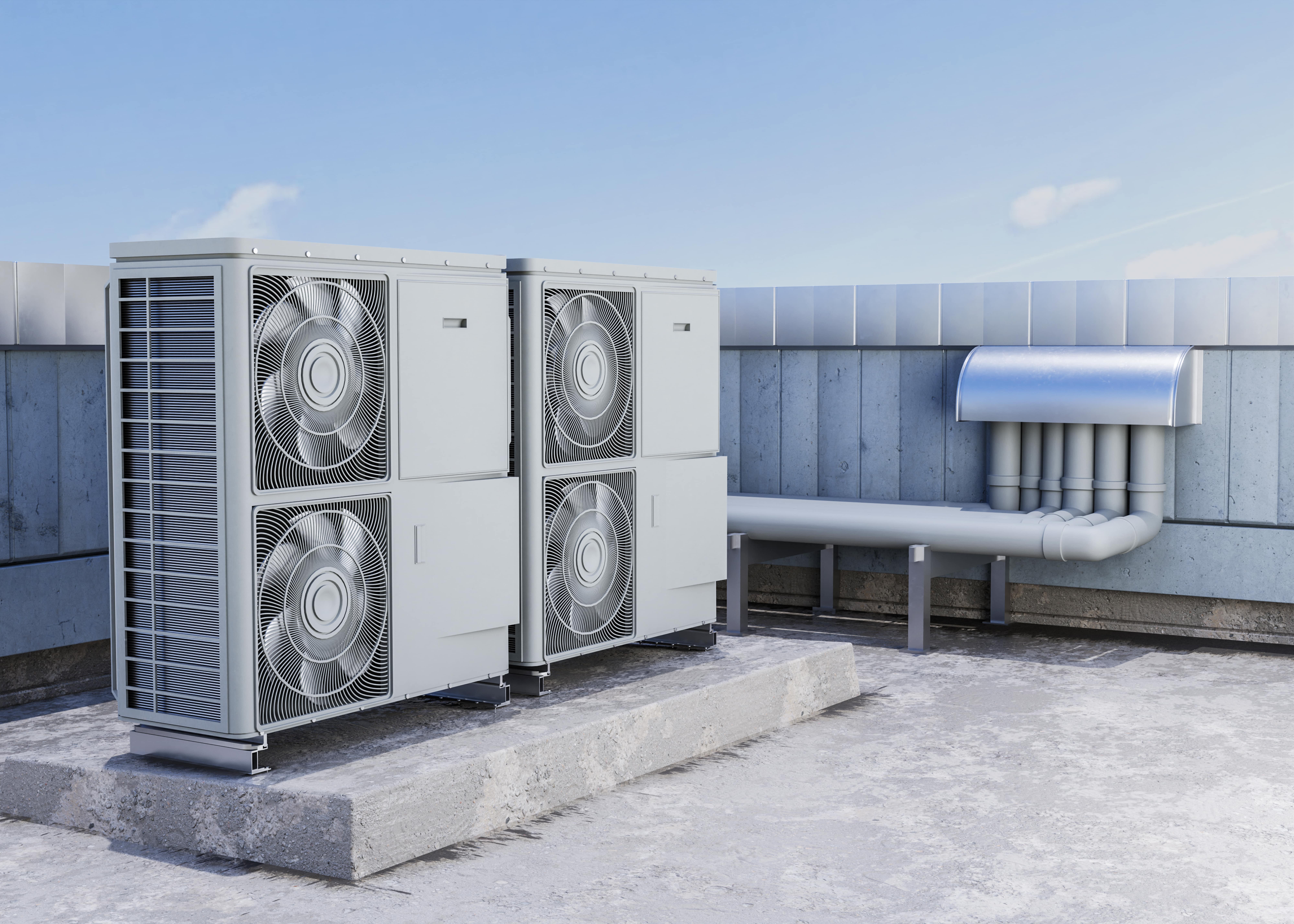


+84 777113211

sales@iteco.vn

11A, Hong Ha Street, Tan Son Hoa Ward, HCMC


Cooling System
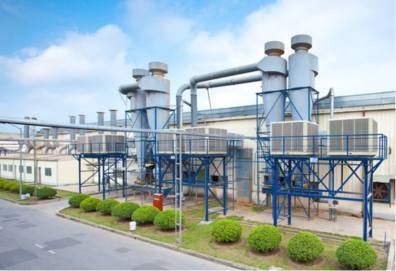
Our open-space cooling system ensures a continuous supply of large volumes of fresh, filtered outdoor air into the factory, effectively expelling heat and exhaust to the outside.
 The system offers key advantages such as environmental protection, odor removal, and especially energy savings.
- Cooling is achieved at approximately 10% of the operating cost of conventional air conditioning systems.
- Creates a wind-chill effect: a secondary cooling effect achieved when a gentle breeze passes over the skin, causing moisture on the surface to evaporate — similar to the sensation produced by a fan.
- With the cooling system in operation, the average temperature inside the factory remains 3–5°C lower than the ambient outdoor temperature at any given time.
 Download

Principle of Cooling
Hot air from outside is drawn through a heat exchange pad, where a portion of water evaporates and absorbs the heat, reducing the air temperature. The cooled and filtered air is then blown by a fan through a duct system to the work area
The temperature of the discharged air depends on the outdoor air temperature (dry-bulb temperature) and the corresponding relative humidity (RH%).
Open Space Cooling System with Integrated Exhaust and Ductwork
Open Space Cooling System This is an innovative approach to cooling industrial environments, delivering optimal working temperatures. It harnesses latent atmospheric energy through water evaporation, effectively lowering the air temperature.
This solution ensures a continuous flow of fresh, filtered air from the outside into the factory, effectively removing heat and contaminated air from the workspace.
In Open Space Cooling applications, exhaust fans should be installed to discharge the cooled air, allowing for better control of humidity accumulation within industrial workspaces.

Cooling Process

- A recirculating water pump ensures the cooling pad remains consistently wet, while a fan continuously pulls in fresh air from the outside.
- The cooling pads are where the majority of water evaporation occurs during the cooling process.
- The air inside the cooler becomes cooler.
- The fan will deliver cool air into the factory.
Cooling Pad

- Inside the cooling unit, there are large evaporative cooling pads.
- During the cooling air supply process, the cooling pad remains moist thanks to the water supply system.
- Hot air from outside passes through the cooling pad, where it absorbs moisture and is cooled by the evaporation process.
- No compressor required. No need for refrigerants.

Cooling efficiency
With the cooling system, the average indoor temperature is reduced by 5–6°C compared to the outdoor temperature. However, under certain specific conditions, the temperature can drop even further—ranging from 8–10°C depending on the cooling location.
The temperature of the supplied air depends on the outdoor air temperature (dry-bulb temperature) and the corresponding relative humidity (RH%). At a given air temperature, the lower the RH%, the lower the temperature of the supplied air. This is because low relative humidity allows more water to evaporate into the air, thereby removing more heat from it.
Creates a Wind-chill effect — a secondary cooling sensation that occurs when a light breeze passes over the skin (similar to the effect of a fan), causing moisture on the skin to evaporate. This effect is utilized to enhance comfort for workers in the industrial workspace.
Localized Cooling Solution

The difference between spot cooling and space cooling?
Before starting the design of a cooling project for a manufacturing plant, there are two fundamental solutions that must be clearly understood to meet the goal of eliminating heat stress affecting workers: spot cooling and space cooling. The key differences between these two approaches lie in the initial investment, operating costs, and the specific conditions and requirements of the factory.
 | 5% | 65% | 100% |
 | 28% | 88% | 100% |
 | 80% | 100% | 100% |
Supports cost optimization and energy conservation.
Spot cooling focuses on cooling only the areas that truly require it. This approach allows customers to maximize cost savings. In contrast, space cooling covers the entire facility where overall temperature reduction is needed. Space cooling also provides an opportunity to create positive pressure within the factory.
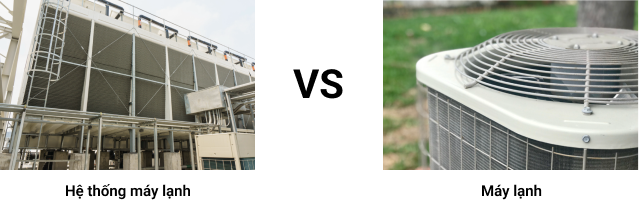
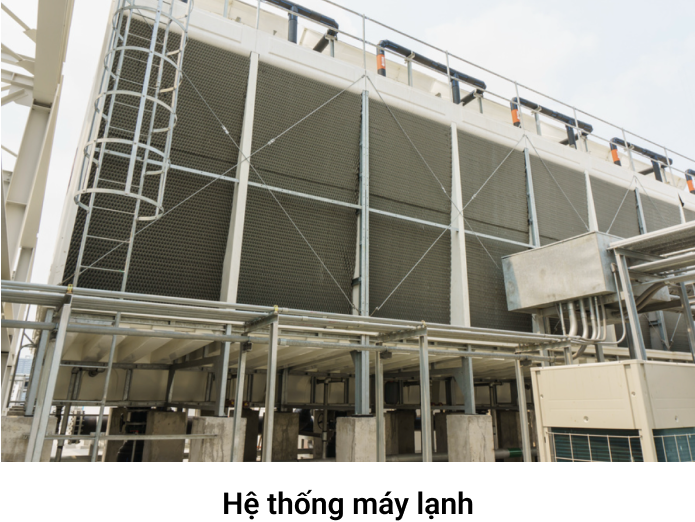

Spot Cooling System
Air Conditioner
Installation Cost


Energy Consumption

Widely Applicable Across Various Industries
The cooling system is also applied across various industries. Contact our experts for more information.
Food and Beverage Industry
Paper and Plastic Packaging Industry
Consumer Goods Industry
Automotive Industry
Consumer Goods Industry
Textile and Garment Industry



Get Instant Cooling
Reduce your factory temperature by up to 10°C — make a real difference.

The Smart and Sustainable Cooling Solution
By evaporating water, the system utilizes atmospheric humidity to lower air temperature.

Energy Generation
Lower heat stress and higher comfort levels lead to a more efficient workforce.

Cost Savings
The amount of cool air generated operates at approximately 10% of the running cost compared to traditional air conditioning systems.
